

The Trading Post Era: The Roots of Navajo Jewelry and Old Pawn Tradition

The trading post era marks one of the most important and formative chapters in Navajo jewelry history. Spanning roughly from the late 1800s through the mid-20th century, this period shaped how Navajo jewelry was made, worn, and preserved. It also gave rise to what collectors today know as old pawn jewelry—pieces that carry both artistic and lived history.

What Was the Trading Post Era?
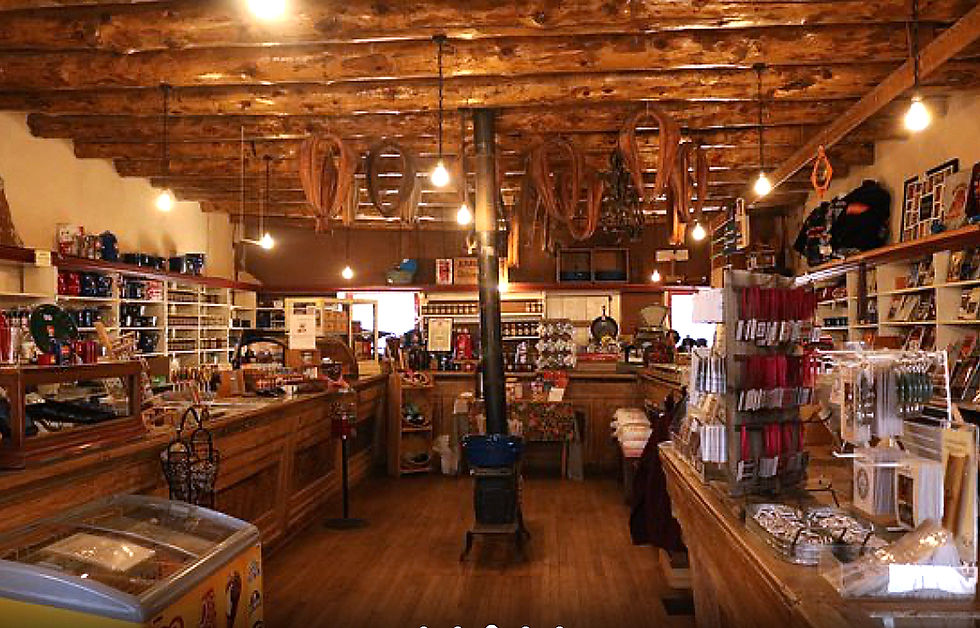
Trading posts were established throughout the Southwest as essential economic centers where Navajo families exchanged wool, livestock, and handcrafted goods for food, supplies, or cash. These posts operated across what is now the Navajo Nation, including communities such as Ganado.
Jewelry played a unique role in this system. Rather than being sold outright, many pieces were pawned—left with the trading post as collateral during difficult seasons, with the intention of being redeemed later. When circumstances prevented repayment, the jewelry remained behind. These unredeemed, wearable personal belongings became what we now call old pawn jewelry.
What Defines Old Pawn Jewelry?
Old pawn jewelry is not defined by style alone, but by function and history. These were not tourist pieces or items made for mass sale. They were personal, valuable possessions—often worn daily—that held both cultural and economic significance.
Typically created between about 1900 and 1950, old pawn jewelry is known for:
Heavy, high-quality silver, originally coin silver and later sterling
Natural turquoise, hand-cut and irregular in shape
Hand-stamped or hand-forged construction
Evidence of wear, repair, and patina from years of use
Each piece tells a quiet story of survival, craftsmanship, and identity. The wear seen on old pawn jewelry is not a flaw—it is proof that the piece once lived a full life.
Craftsmanship During the Trading Post Era
Navajo silversmiths during this era worked entirely by hand, using simple tools to form cuffs, rings, squash blossom necklaces, naja pendants, and concha belts. Stones were shaped individually to fit each setting, and symmetry was achieved by eye rather than machine.
While traders sometimes supplied silver or stones, the artistic decisions belonged to the maker. Designs reflected Navajo aesthetics, symbolism, and practicality—jewelry that was meant to endure, not impress temporarily.
The Influence of Trading Posts
Certain posts became especially influential in preserving and circulating these works. The Hubbell Trading Post is one of the most well-known examples, serving as a long-standing center for trade, pawn, and cultural exchange. Jewelry that passed through these posts often remained intact for decades, safeguarded by the practice of pawn itself.
The Shift Away From Pawn Jewelry
By the mid-20th century, increased tourism and commercial demand changed how Native jewelry was produced and sold. Companies such as the Fred Harvey Company helped introduce Southwestern jewelry to a national audience. While this brought wider recognition, it also marked a shift toward lighter-weight, more standardized designs made specifically for sale rather than personal use.
As a result, true old pawn jewelry remains finite—no longer produced, only preserved.
Why Old Pawn Jewelry Still Matters
Old pawn jewelry represents a rare convergence of history, artistry, and lived experience. These pieces were created with intention, worn with meaning, and held onto during times of uncertainty. They reflect a period when jewelry was both adornment and asset, personal and practical.
Even today, many contemporary Navajo silversmiths draw inspiration from old pawn forms and techniques, honoring the weight, balance, and integrity of earlier work. Understanding old pawn jewelry allows us to appreciate Navajo jewelry not simply as decorative art, but as cultural heritage shaped by resilience and craftsmanship.


