

The Art and Economics of Navajo Jewelry Pricing Explained

Updated: Feb 4
When it comes to authentic Navajo jewelry, pricing is about more than just aesthetics. Each piece embodies a mix of material value, skillful craftsmanship, and significant time investment, all rooted in rich cultural and artistic traditions. Let’s explore how these factors shape the final price of these stunning creations.
The Price of Silver
The cost of silver plays a vital role in determining the price of Navajo jewelry.
Market Fluctuations: Silver's price can vary significantly, generally ranging from $20 to $30 per ounce. However, it can escalate to $50 or more during periods of high demand or market instability. As of today's writing it is $48.49 an oz.
Sterling Silver: Most Navajo silversmiths use sterling silver (92.5% silver). This choice impacts the cost, as it is more valuable than silver-plated or base-metal jewelry.
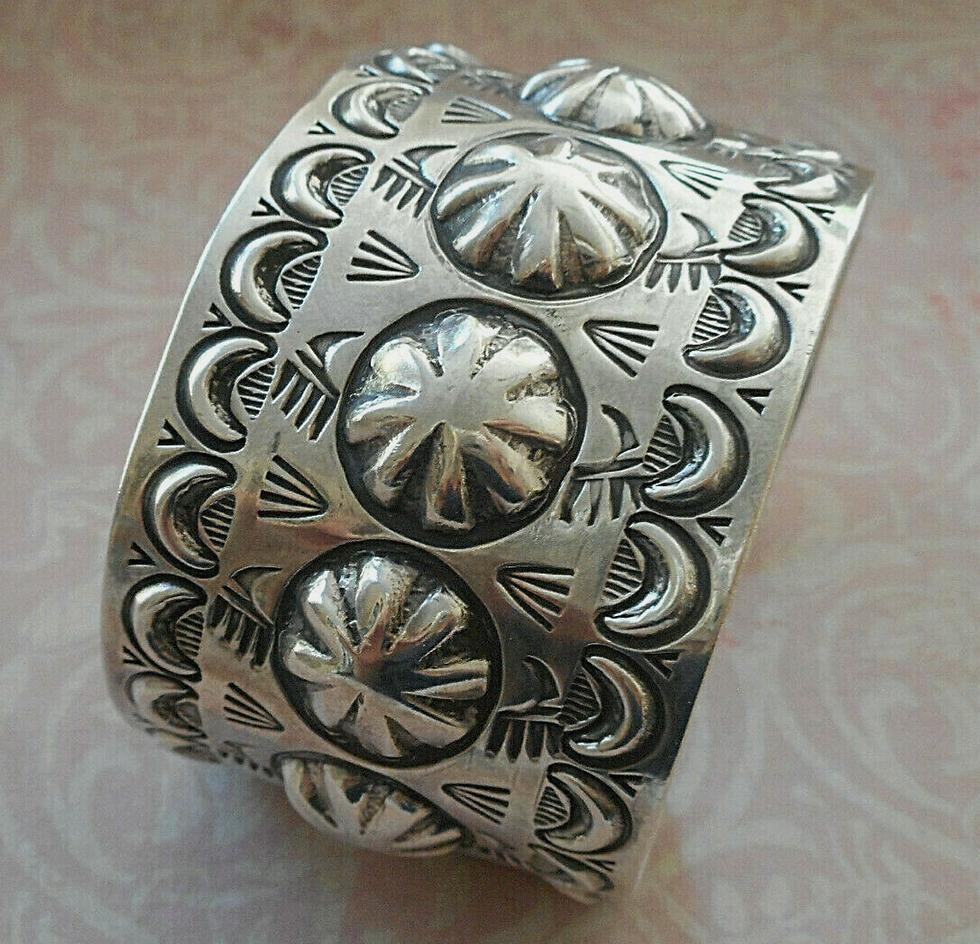
Impact on Jewelry: A piece like a cuff bracelet or a squash blossom necklace can require several ounces of silver. For example, a substantial squash blossom necklace might utilize 10 to 15 ounces of silver, which alone can amount to $200 to $450 just for the material.
The Cost of Stones
Stones are another crucial factor in the pricing of Navajo jewelry.
Turquoise: This is the most popular stone in Navajo pieces. Its price varies widely based on quality and source. Common stabilized turquoise, like that from Kingman, AZ, may cost around $1 to $5 per carat. By contrast, high-grade natural turquoise from places like Bisbee or Lander Blue can fetch between $50 and $100 per carat.
Other Stones: Other materials like coral, jet, and lapis lazuli can also affect pricing. For instance, coral prices have soared recently due to stricter harvesting regulations, making high-quality coral more valuable than ever.
Matching Stones: Silversmiths dedicate significant effort to select and pair stones by color and pattern. This meticulous work not only enhances the aesthetic appeal but also elevates the overall value of the piece.
Labor and Time
The amount of labor and time invested in creating these pieces significantly influences their prices.
Handcrafted Process: Unlike mass-produced jewelry, authentic Navajo pieces are handmade. This includes a series of labor-intensive steps: cutting, stamping, soldering, and polishing each item individually.
Time Investment:
- A simple ring or pendant might take 2 to 5 hours to complete.
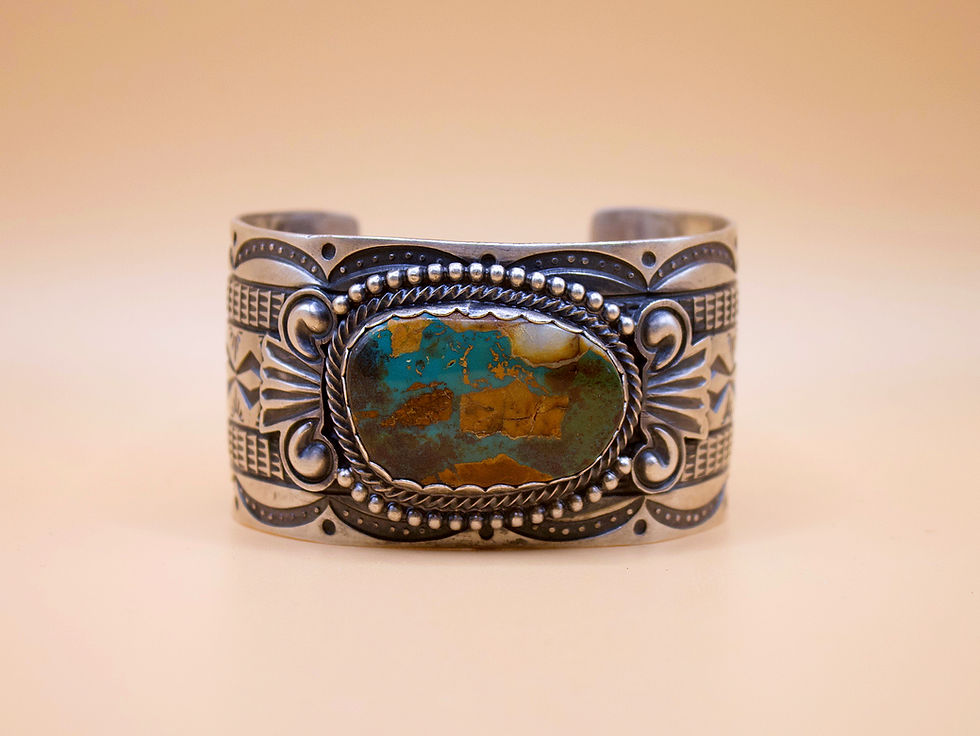
- A more complex stamped cuff bracelet could require 6 to 10 hours.
- A traditional squash blossom necklace may take anywhere from 30 to 60 hours or more.
Skill and Experience: Highly skilled silversmiths with years of experience can command higher prices for their intricate work due to the technique and artistry they bring.
Cultural Significance
Cultural heritage adds considerable value to Navajo jewelry. Each piece goes beyond being a decorative item; it tells a story and reflects specific traditions, making it a unique form of art.
The symbolic designs and the artisans' backgrounds contribute to the jewelry's value. When you buy Navajo jewelry, you’re not just acquiring a pretty object; you are also investing in a slice of Navajo culture and history.
Market Demand
The growing demand for authentic Navajo jewelry has a significant impact on pricing.
An increasing number of consumers are seeking out one-of-a-kind, handcrafted goods. This trend raises interest among collectors who might pay premium prices for exceptional craftsmanship or rare materials.
For example, unique pieces showcasing intricate designs or very rare stones may see prices soar by 25% or more in competitive markets.

Final Thoughts
Understanding how pricing works for authentic Navajo jewelry requires a deep appreciation for the artistry, materials, and cultural significance behind each item. The costs reflect not only the value of silver and stones but also the time and skills invested by the artisans.
When you invest in Navajo jewelry, you're getting more than just an accessory. You're embracing a rich cultural legacy and a unique piece of art. This knowledge allows you to make informed purchasing choices and truly appreciate the craftsmanship and traditions that are woven into every piece.
Whether you are adding to a collection, gifting, or simply celebrating the beauty of handcrafted jewelry, being aware of these factors will deepen your connection to the art of Navajo jewelry.


